Advancing a people-centred systems approach to rural transformation

Rural transformation in the Near East and North Africa is ultimately driven by people and the institutions that support them. Family farmers, rural women and youth, cooperatives and producer organizations, rural entrepreneurs and service providers are key beneficiaries and primary actors shaping the future of agrifood systems in the region. Yet, rural areas continue to […]
Context matters: A framework for assessing the suitability of climate smart agriculture technologies for smallholder farmers
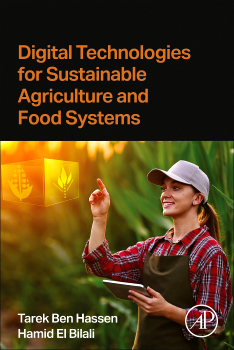
This chapter presents a framework for climate-smart technology adoption that emphasizes the critical role of contextual factors in shaping agricultural resilience. It highlights how socioeconomic conditions, policy environments, and resource availability vary significantly across countries, which ultimately needs to reflect on the choice of technologies to be adopted. The framework synthesizes nine key indicators and […]
Synergetic Benefits of Agricultural Sewage Reuse and Floating Photovoltaics in Mexican Wastewater System: A Municipal‐Level WEF Nexus Study
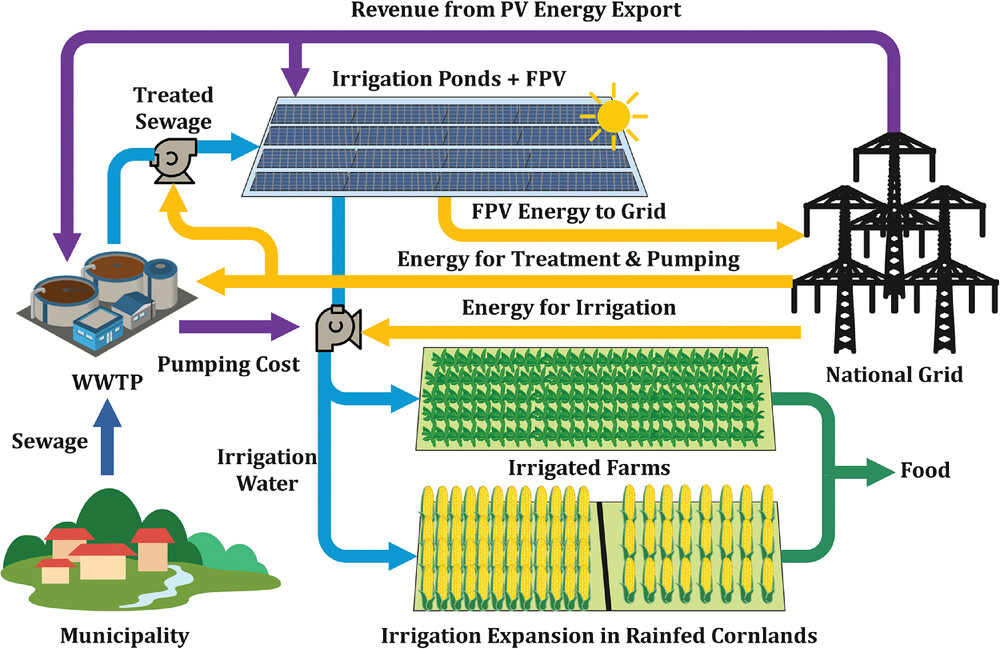
Financial stability is essential for the sustainable operation of wastewater treatment plants (WWTPs), as they require substantial resources but generate minimal revenue. In Mexico, a lack of funding resources and supporting policies has resulted in inefficient treatment and extensive surface water degradation. This work examines the positive impacts of treated sewage-operated irrigation ponds equipped with […]
Farmer field schools: cultivating collaborative innovation for synergies in water, energy and food security in Uganda
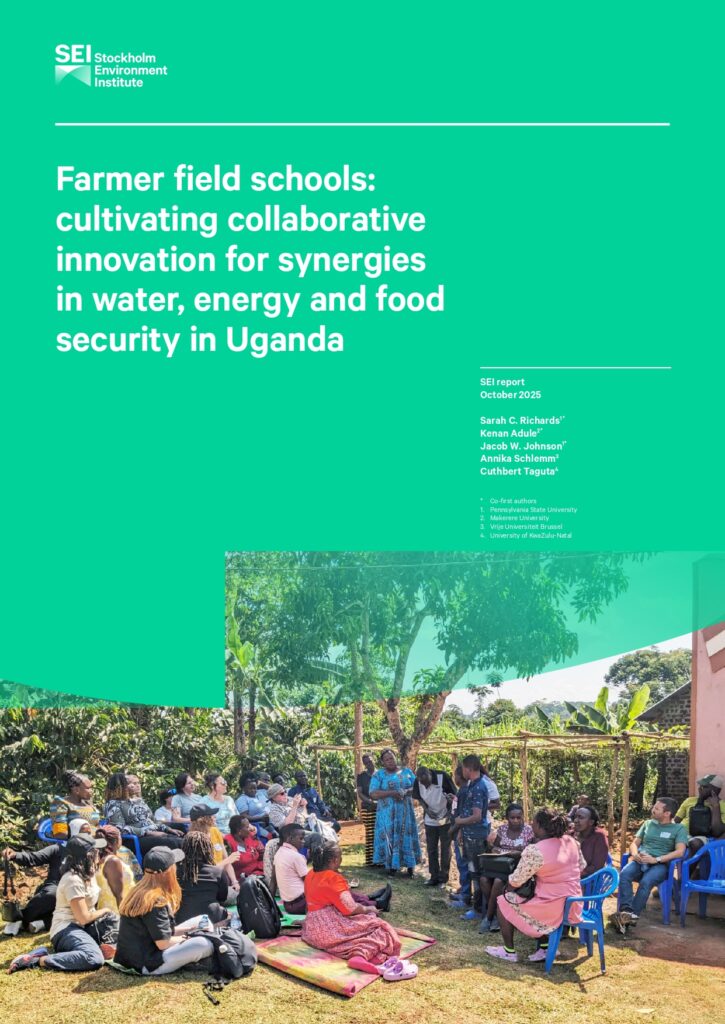
In the specific context of Uganda, this report highlights the key benefits of farmer field schools and provides recommendations for policymakers to support and scale up initiatives at the district level. A district-level focus is valuable because it aligns with existing governance structures and facilitates integration into broader development plans, which can accelerate sustainable development […]
Food policy monitoring in the Near East and North Africa region | Digital solutions for small-scale farmers in the NENA region: opportunities and challenges
In the second quarter of 2025, the food security situation in the Near East and North Africa (NENA) region remained fragile due to ongoing conflict, relatively high food prices, and volatile agricultural production. While global food commodity prices showed marginal signs of stabilization, regional inflationary pressures and constrained access to food continued to affect vulnerable […]
Farmer field schools: cultivating collaborative innovation for synergies in water, energy and food security in Uganda
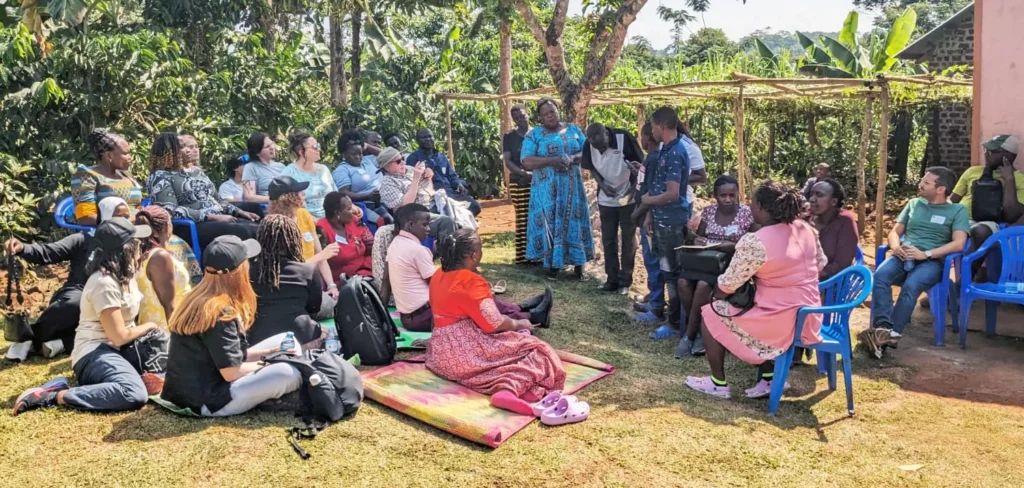
In the specific context of Uganda, this report highlights the key benefits of farmer field schools and provides recommendations for policymakers to support and scale up initiatives at the district level. A district-level focus is valuable because it aligns with existing governance structures and facilitates integration into broader development plans, which can accelerate sustainable development […]
Quantifying sustainability and resilience in food systems: a systematic analysis for evaluating the convergence of current methodologies and metrics
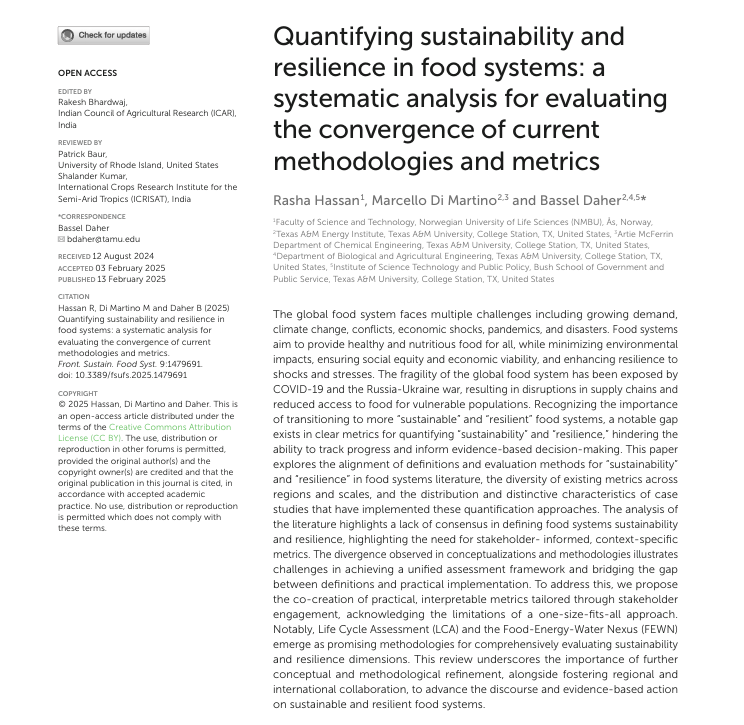
The global food system faces multiple challenges including growing demand, climate change, conflicts, economic shocks, pandemics, and disasters. Food systems aim to provide healthy and nutritious food for all, while minimizing environmental impacts, ensuring social equity and economic viability, and enhancing resilience to shocks and stresses. The fragility of the global food system has been […]
Food for Thought: Nourishing Cardiovascular Health Amidst the Exposome
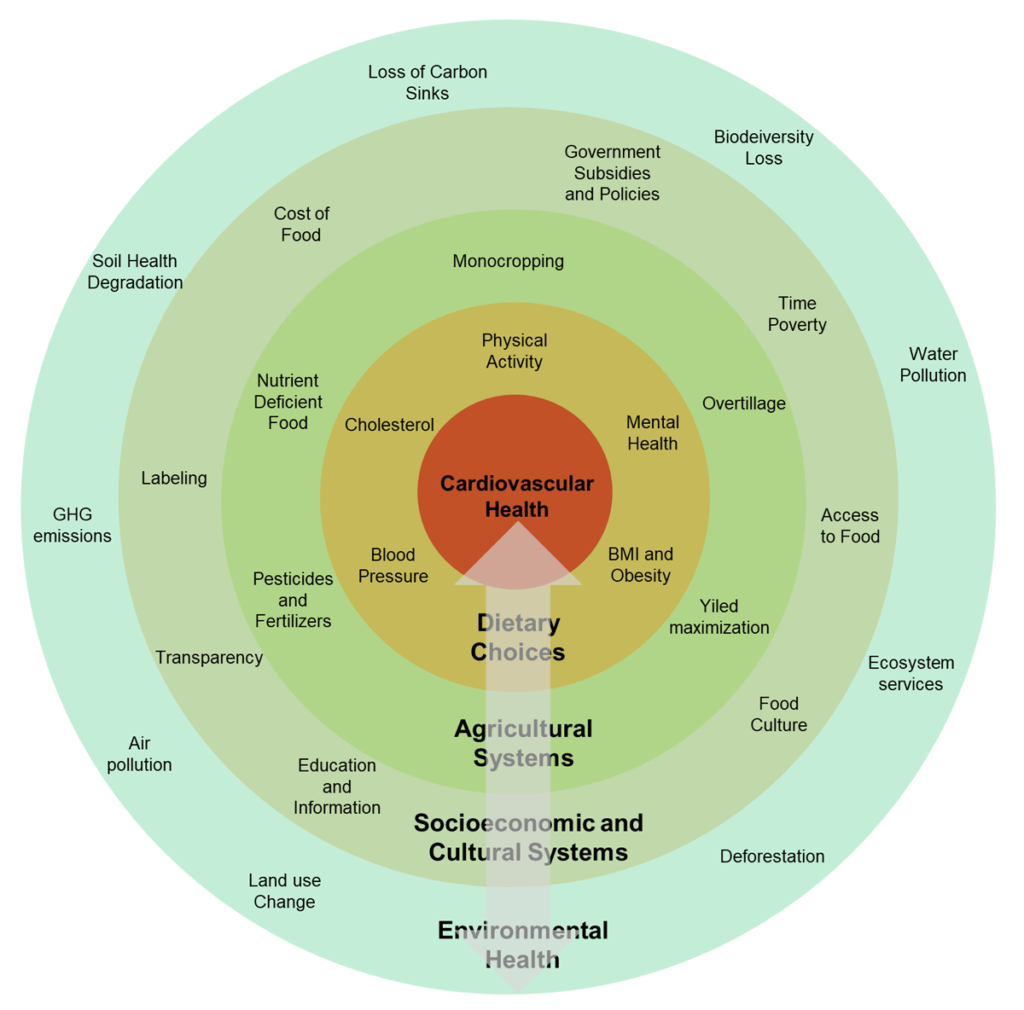
The cumulative exposures of an individual during their lifetime, known as the exposome, encompass environmental exposures and lifestyle factors that significantly impact cardiovascular health. The exposome concept aims to provide a comprehensive framework for understanding how various exposures combine to influence disease risk and health outcomes over a lifetime. Diet is a well-studied aspect of […]
Mapping affordable and transferrable climate-smart technologies for smallholder farmers
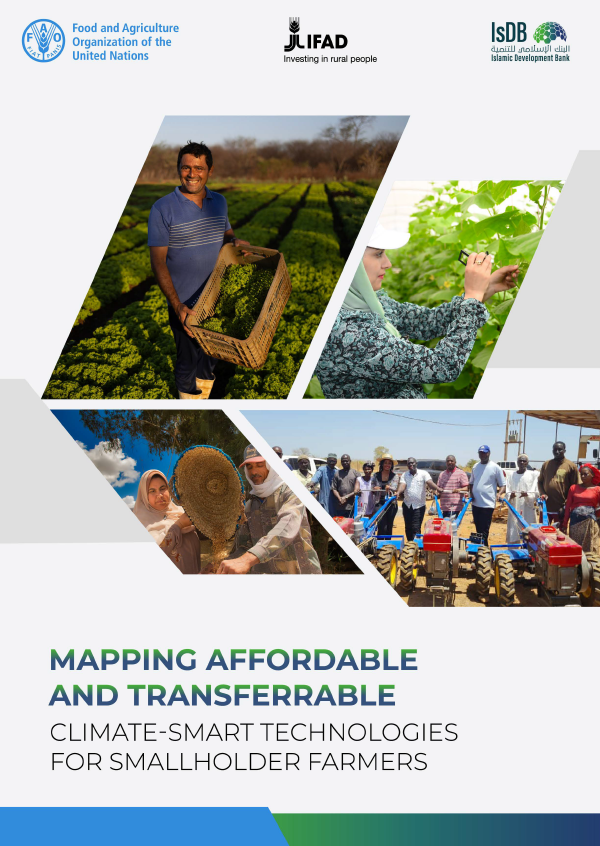
In response to the pressing need for innovative solutions to address food security challenges, a tripartite cooperation agreement between FAO’s Regional Office for the Near East and North Africa, the International Fund for Agricultural Development (IFAD) and the Islamic Development Bank (IsDB), initiated a comprehensive “Mapping exercise of affordable and transferrable food security related technologies.” […]
The role of innovation and digitalization in the sustainable use of natural resources to accelerate the implementation of climate-resilient and low-emission pathways in agrifood systems – ERC/24/2
The natural resources that contribute to global agrifood systems are at risk of depletion and degradation. By 2050, the agriculture sector will need to produce 56 percent more food compared to 2010 to feed a growing global population,1,2 while crop yield could decrease by up to 30 percent.3,4 Land degradation, desertification, drought and land abandonment […]