Fifty years of excellence in water resources research: insights from the most cited articles per decade published in Water International
It has been emphasized since its inception that IWRA is established not to duplicate the functions of many existing organizations but to supplement their activities and to fill in the interdisciplinary voids that occur in the professional field of water resources. The concept of WATER INTERNATIONAL is therefore to provide broad knowledge and information on […]
Editorial: Sustainable and resilient food systems in times of crises
Sustainable and resilient food systems in times of crises The global food system is facing multiple and multifaceted challenges and crises: increasing population, climate change, pandemics, conflicts, economic shocks, and natural disasters. These challenges have exposed its fragility and underscored the urgency of transitioning to sustainable and resilient food systems. Such systems ensure equitable access […]
Water-Energy-Food-Health Solutions & Innovations for Low-Carbon, Climate-Resilient Drylands

Primary resources gaps facing dryland, including access to water, food, energy, nutrition, and health care, are expected to increase with demographic, political, and climatic changes. These highly interlinked primary resources carry high risk and vulnerability. Disentangling these to better understand the complex system of systems they represent is crucial and requires multi-disciplinary work that includes […]
Water-Energy-Food Nexus: Towards Knowledge Synthesis, Action Prioritization and Revitalization of Security Debates

The Water-Energy-Food nexus (WEF nexus) has emerged as a colossal environmental debate on how to improve the sustainability and resilience of resource systems. This debate has been inclusive of different disciplines and methodological approaches that have improved our understanding of the tight interconnectedness between the resource systems, and have highlighted the need for great coordination […]
Special Issue “Urban Drainage Systems”
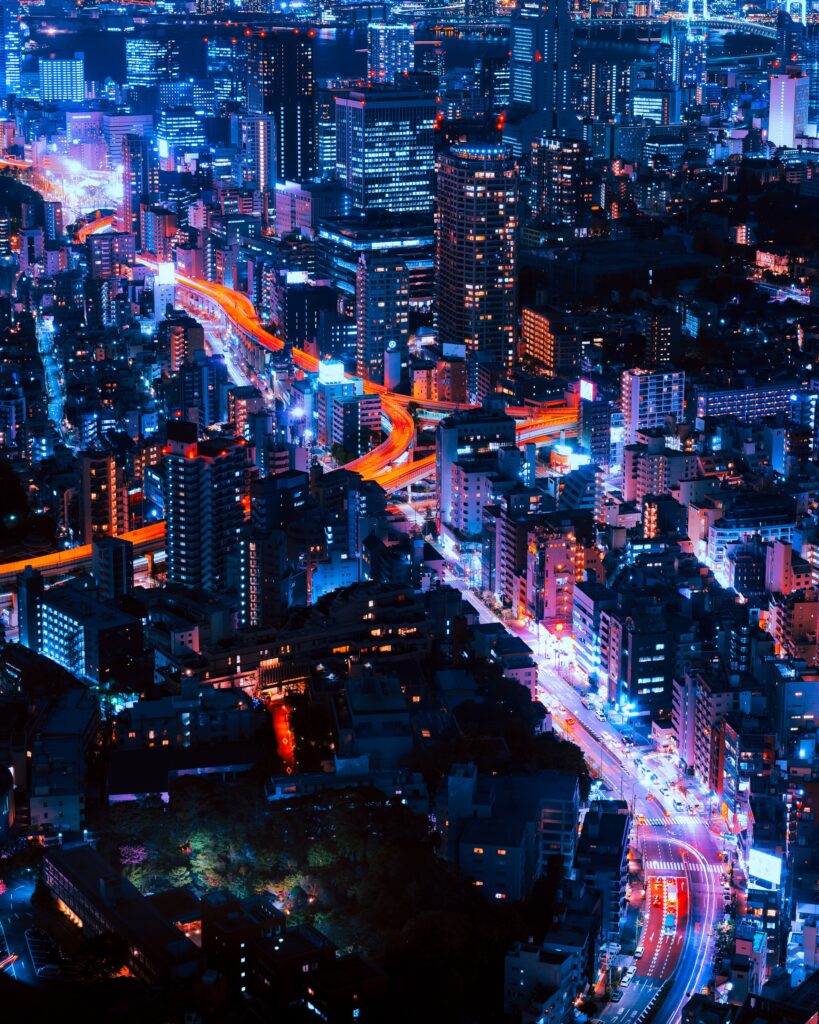
Increased population growth and, in many areas, uncontrolled urbanization, have led to increased imperviousness in cities across the world. This has resulted in an upsurge of urban flooding and the impairment of waterbodies due to increased stormwater flow rate, peak flow, and total volumes draining into streams, lakes, and estuaries. It has also resulted in […]