Complexity versus simplicity in water energy food nexus (WEF) assessment tools

Approaching water, energy, and food, as interconnected system of systems, as an alternative to traditional silo-based resources planning and management approaches continues to fall short of expectations of its research-backed benefits. The lack of nexus applications in policy and decision making can be related to numerous factors, with the main barrier being the complex nature […]
Economic, social, and environmental evaluation of energy development in the Eagle Ford shale play
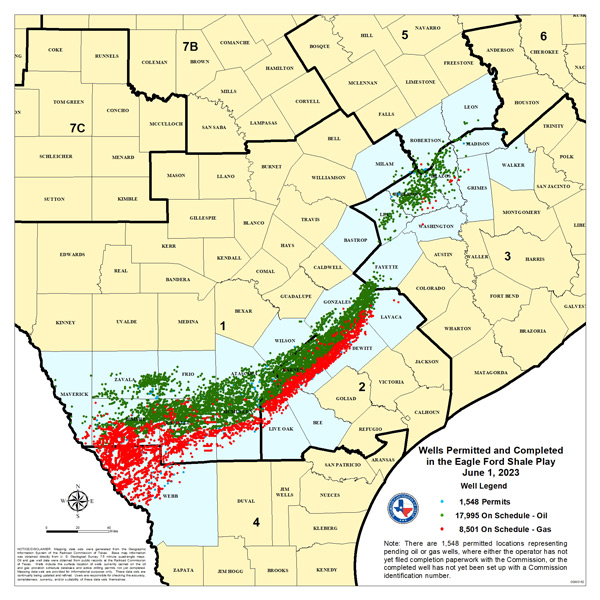
This research investigates the relation between water, energy, and transportation systems, using the growing hydraulic fracturing activity in the Eagle Ford shale play region of southwest Texas in which the local water systems and road infrastructure were not designed for the frequent transport of water into the production site and of produced gas and oil […]
Water-Energy-Food-Health Solutions & Innovations for Low-Carbon, Climate-Resilient Drylands

Primary resources gaps facing dryland, including access to water, food, energy, nutrition, and health care, are expected to increase with demographic, political, and climatic changes. These highly interlinked primary resources carry high risk and vulnerability. Disentangling these to better understand the complex system of systems they represent is crucial and requires multi-disciplinary work that includes […]
Towards bridging the water gap in Texas: A water-energy-food nexus approach
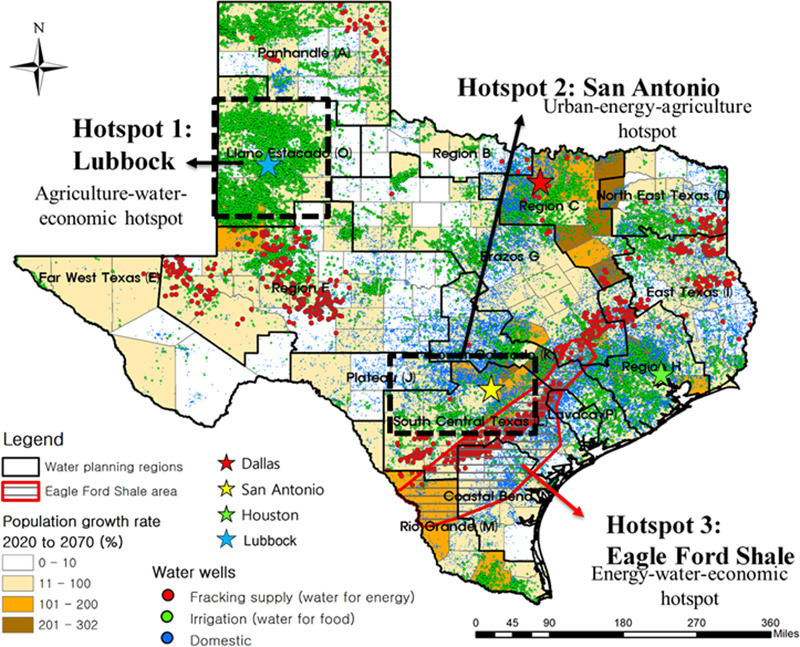
The 2017 Texas Water Development Board’s State Water Plan predicts a 41% gap between water demand and existing supply by 2070. This reflects an overall projection, but the challenge will affect various regions of the state differently. Texas has 16 regional water planning zones characterized by distinct populations, water demands, and existing water supplies. Each […]
Water-Energy-Food Nexus: Towards Knowledge Synthesis, Action Prioritization and Revitalization of Security Debates

The Water-Energy-Food nexus (WEF nexus) has emerged as a colossal environmental debate on how to improve the sustainability and resilience of resource systems. This debate has been inclusive of different disciplines and methodological approaches that have improved our understanding of the tight interconnectedness between the resource systems, and have highlighted the need for great coordination […]
Special Issue “Urban Drainage Systems”

Increased population growth and, in many areas, uncontrolled urbanization, have led to increased imperviousness in cities across the world. This has resulted in an upsurge of urban flooding and the impairment of waterbodies due to increased stormwater flow rate, peak flow, and total volumes draining into streams, lakes, and estuaries. It has also resulted in […]
ASSESSING THE SUSTAINABILITY OF CROP PRODUCTION IN THE GEDIZ BASIN, TURKEY: A WATER, ENERGY, AND FOOD NEXUS APPROACH

This study assesses the sustainability of crop production system in Gediz Basin, Turkey and develops forward-looking scenarios for optimal utilization and sustainable allocation of its resources using the water, energy, and food (WEF) Nexus holistic systems approach. Gediz basin data for the year 2014 are used to analyze the current situation and to develop future […]
WATER-ENERGY-FOOD NEXUS STAKEHOLDER INFORMATION SHARING AND ENGAGEMENT WORKSHOP
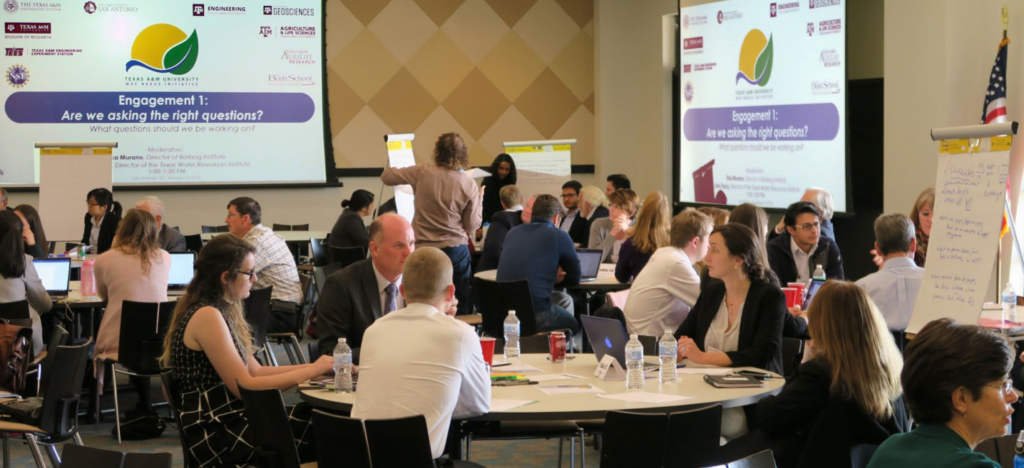
The interconnection of water, energy, and food resources is complex, with the availability of these resources increasingly stressed by climatic, social, political, economic, demographic, technologic, and other pressures. Addressing these challenges requires a better understanding of the nexus formed by the interconnections between the resources. On January 10, 2018, the Texas A&M University System WaterEnergy-Food […]
Lessons learned: Creating an interdisciplinary team and using a nexus approach to address a resource hotspot

Moving resource management and allocation away from sectoral silos to a paradigm founded in integration and leveraging cross-sectoral and trans-disciplinary synergies will result in expanded opportunities for economic development and improved social well-being (Mohtar, 2017; Mohtar and Daher, 2017). Interventions to address complex resource challenges must identify opportunities while cognizant of holistic, system level trade-offs […]
Analyzing FEW nexus modeling tools for water resources decision-making and management applications

Social changes such as growing population, urbanization, globalization, and economic growth, compounded with uncertainties due to climate change are expected to result in substantial shifts in the demand for food, energy, and water. Food, energy and water resource systems are tightly interconnected. Addressing challenges facing any of these resource systems requires a holistic understanding and […]