Water-Energy-Food Sustainable Development Goals in Morocco
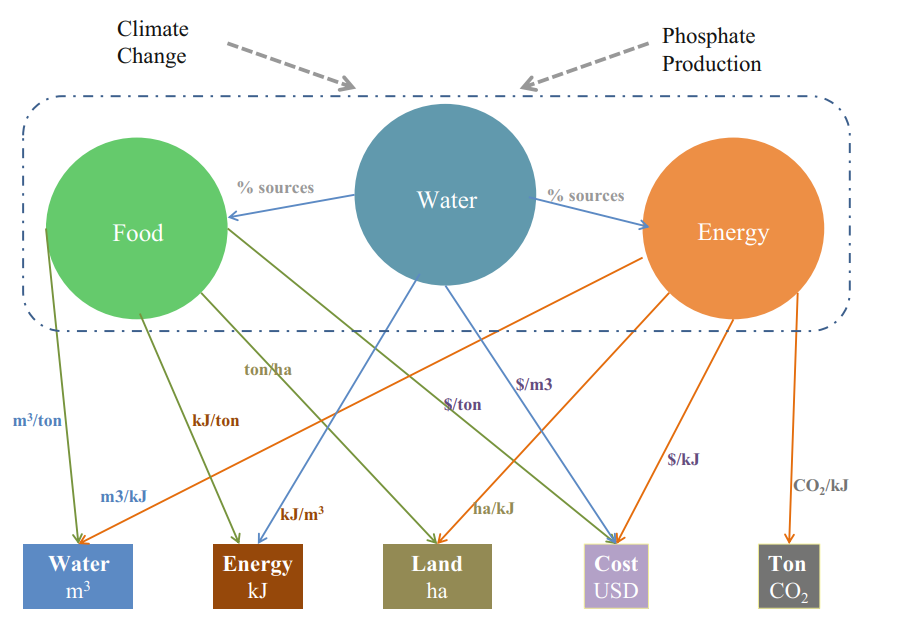
Water, energy, and food security challenges are complex and tightly interconnected (Hoff 2011; Mohtar and Daher 2012; FAO 2014a; IRENA 2015). Food production demands water; water extraction, treatment, and redistribution demand energy; and energy production requires water. With growing pressures on these interconnected resource systems due to climate change and population growth, it is critical that we understand and […]
Addressing Food Security Challenges in Lebanon: A Water-Energy-Food-Health Nexus Approach
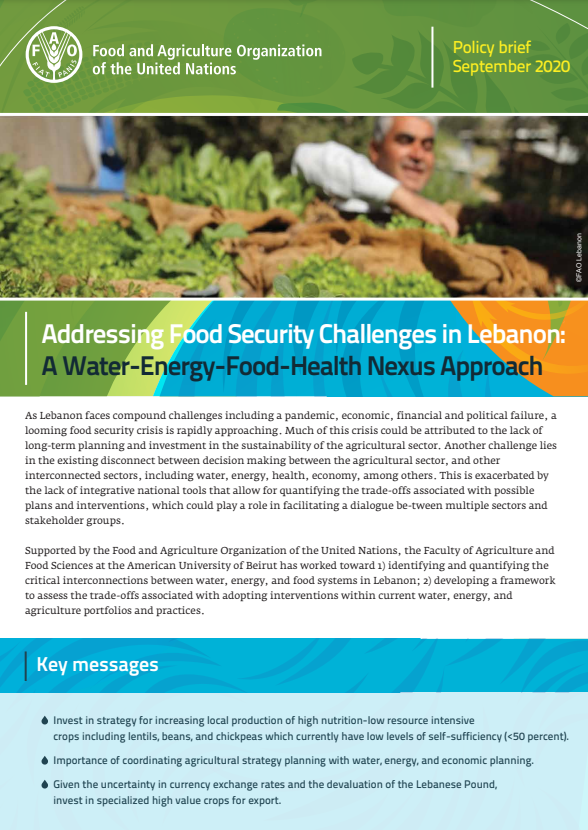
As Lebanon faces compound challenges including a pandemic, economic, financial and political failure, a looming food security crisis is rapidly approaching. Much of this crisis could be attributed to the lack of long-term planning and investment in the sustainability of the agricultural sector. Another challenge lies in the existing disconnect between decision making between the […]
Evaluating farmer priorities and readiness to adopt new water, energy, and agricultural solutions in Lebanon

As Lebanon faces compound challenges including a pandemic, economic, financial and political failure, a looming food security crisis is rapidly approaching. Much of this crisis could be attributed to the lack of long-term planning and investment in the sustainability of the agricultural sector. Another challenge lies in the existing disconnect between decision-making between the agricultural […]
A Water-Energy-Food Nexus approach for conducting trade-off analysis: Morocco’s phosphate industry in the Khouribga region
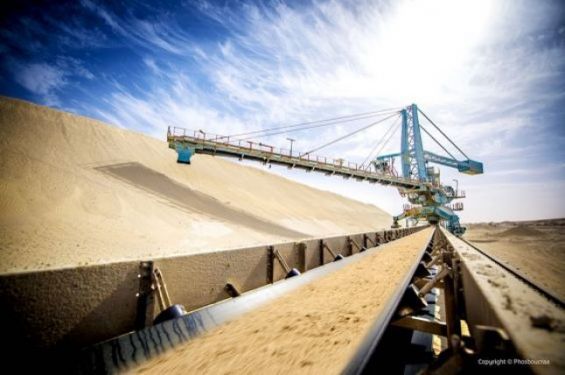
The study objective was to develop and use the Water-Energy-Food Nexus Phosphate (WEF-P) Tool to evaluate the impact of Morocco’s phosphate industry on water, energy, and food sectors of Khouribga, which is the representative phosphate mining region of Morocco. The developed WEF-P Tool enabled a trade-off analysis based on integrating supply-chain processes, transportation, and water–energy […]
ASSESSING THE SUSTAINABILITY OF CROP PRODUCTION IN THE GEDIZ BASIN, TURKEY: A WATER, ENERGY, AND FOOD NEXUS APPROACH
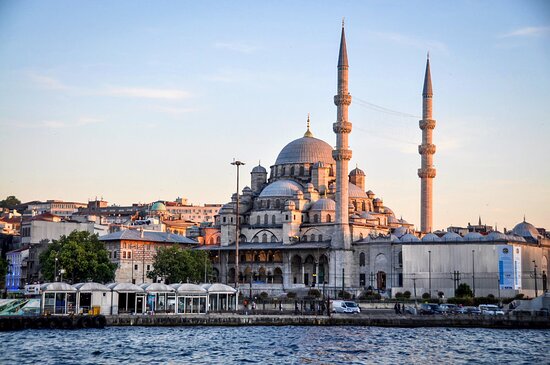
This study assesses the sustainability of crop production system in Gediz Basin, Turkey and develops forward-looking scenarios for optimal utilization and sustainable allocation of its resources using the water, energy, and food (WEF) Nexus holistic systems approach. Gediz basin data for the year 2014 are used to analyze the current situation and to develop future […]
Current Water for Food Situational Analysis in the Arab Region and Expected Changes Due to Dynamic Externalities
Uneven distribution of water, food, and energy (WEF) resources, together with demographic, geographic, political, and other natural constraints, burden WEF security plans in many regions of the world. Decision makers are under pressure to bridge the WEF supply-demand gap, and often propose reactive, rather than preventive, strategies that are associated with uncertainty, challenges of sustainability, […]
MENA Policy Brief Series // The WEF Nexus in the Arab Region
The WEF Nexus in the Arab Region Series is published by the League of Arab States (LAS), with technical and financial support from the Deutsche Gesellschaft fur Internationale Zusammenarbeit (GIZ). The series comprises 6 policy briefs with different focus areas on the implementation of the WEF Nexus in the MENA region. All policy briefs are […]
Water–energy–food (WEF) Nexus Tool 2.0: guiding integrative resource planning and decision-making
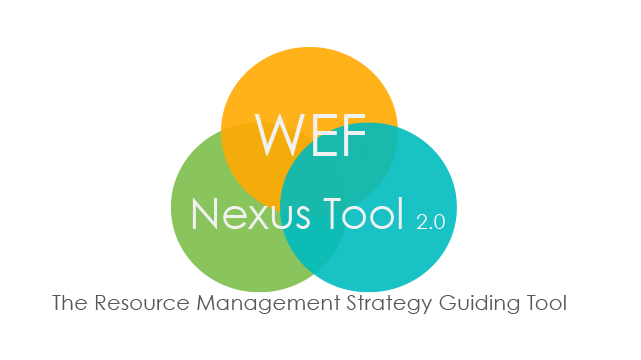
The paper introduces a framework and set of methodologies that define the linkages between the interconnected resources of water, energy and food, and enable explicit corresponding quantifications. The paper presents a new water–energy–food (WEF) Nexus modelling tool (WEF Nexus Tool 2.0) based on that framework which offers a common platform for scientists and policy-makers to […]
Bridging the Water and Food Gap: The Role of the Water-Energy-Food Nexus
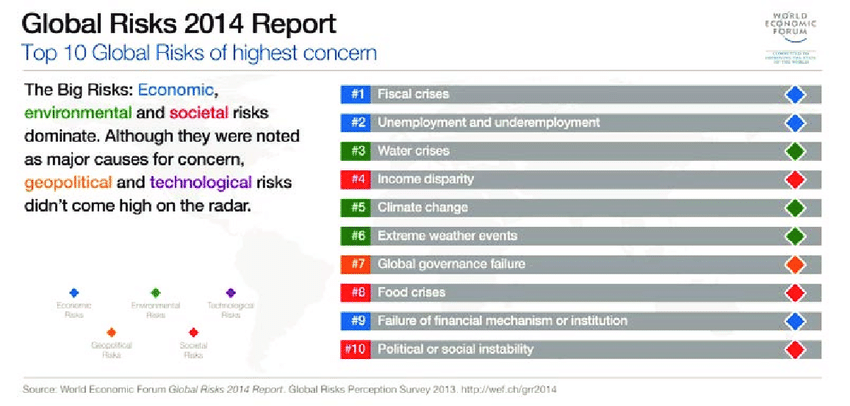
The paper introduces global resources challenges and their risks and shifts in what society defines as global securities. The paper will then introduce the water-energy-food nexus as a resource integration platform and will highlight green water as a hotspot in this nexus. Analysis will focus on the manner in which green water should be viewed […]
The water, energy and food (WEF) nexus project: A basis for strategic planning for natural resources sustainability-Challenges for application in the MENA region. Geophysical Research Abstracts.
Water, energy, and food (WEF) are viewed as main systems forming a nexus, which itself is threatened by defined external factors mainly characterized by growing population, changing economies, governance, climate change, and international trade. Integrative thinking in strategic planning for natural resources comes through recognizing the intimate level of interconnectedness between these systems and the […]