We live in a world of interconnected challenges. The solutions we develop should recognize that reality. My work aims to catalyze collective action that is grounded in evidence and shaped by the communities it serves.
We live in a world of interconnected economic, social, environmental, and geopolitical challenges. Food system transformation, energy transition, water management, climate action, and human and planetary health are not isolated issues. Yet the institutions responsible for them rarely coordinate. And the people closest to these realities remain too often the furthest from the decisions that shape them. Bridging that disconnect is the thread that runs through everything I do.
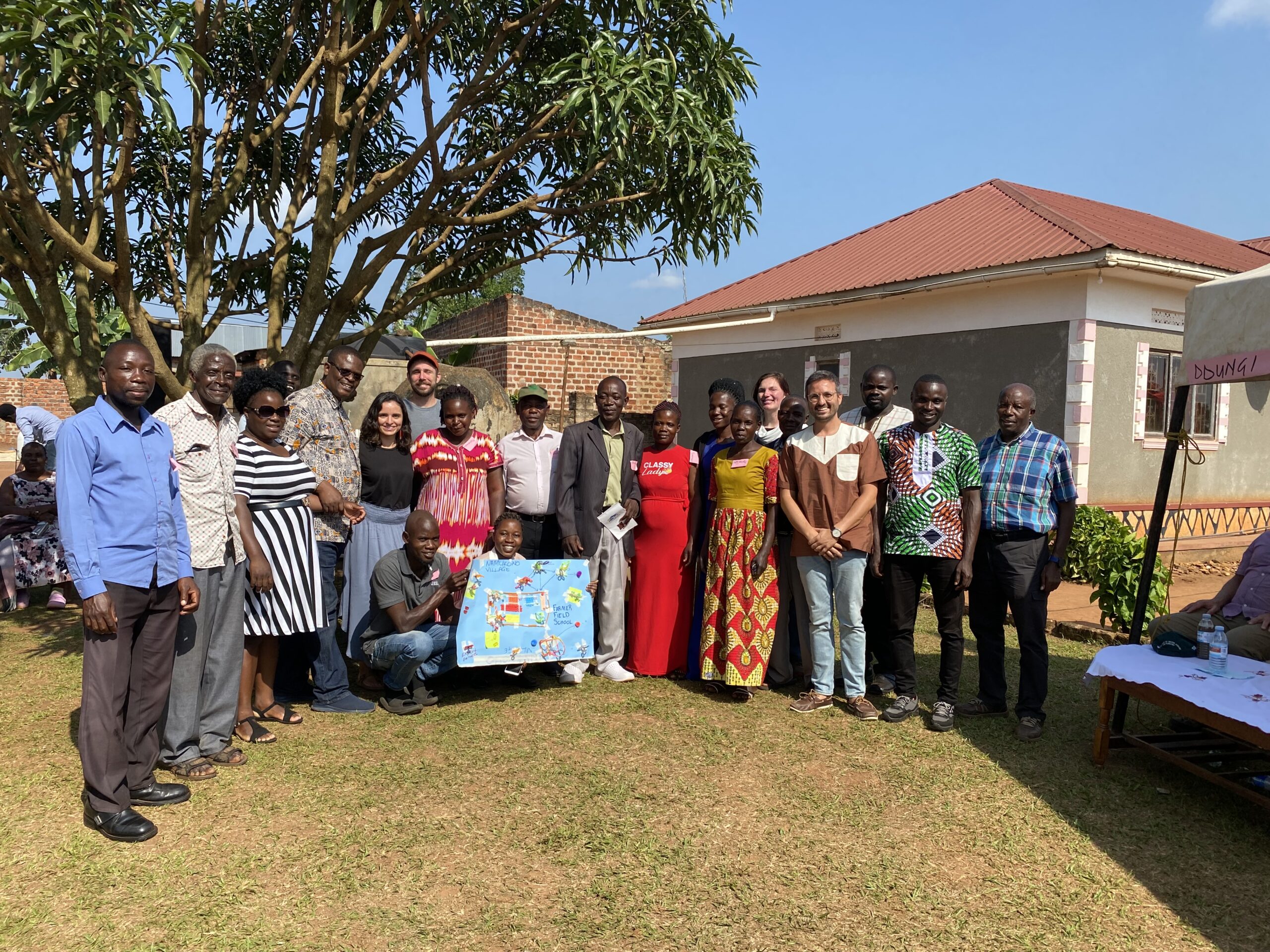
I understood this before I had the language for it. Growing up in Lebanon, I saw how interconnected challenges play out in people’s daily lives, how quickly they compound, and how they expose problems that no single institution was designed to solve. Later, working with underserved communities in Beirut, I learned something else that has stayed with me: that technical expertise alone is never enough. Solutions that ignore the political, social, economic, and cultural realities of the people they are meant to serve do not hold.
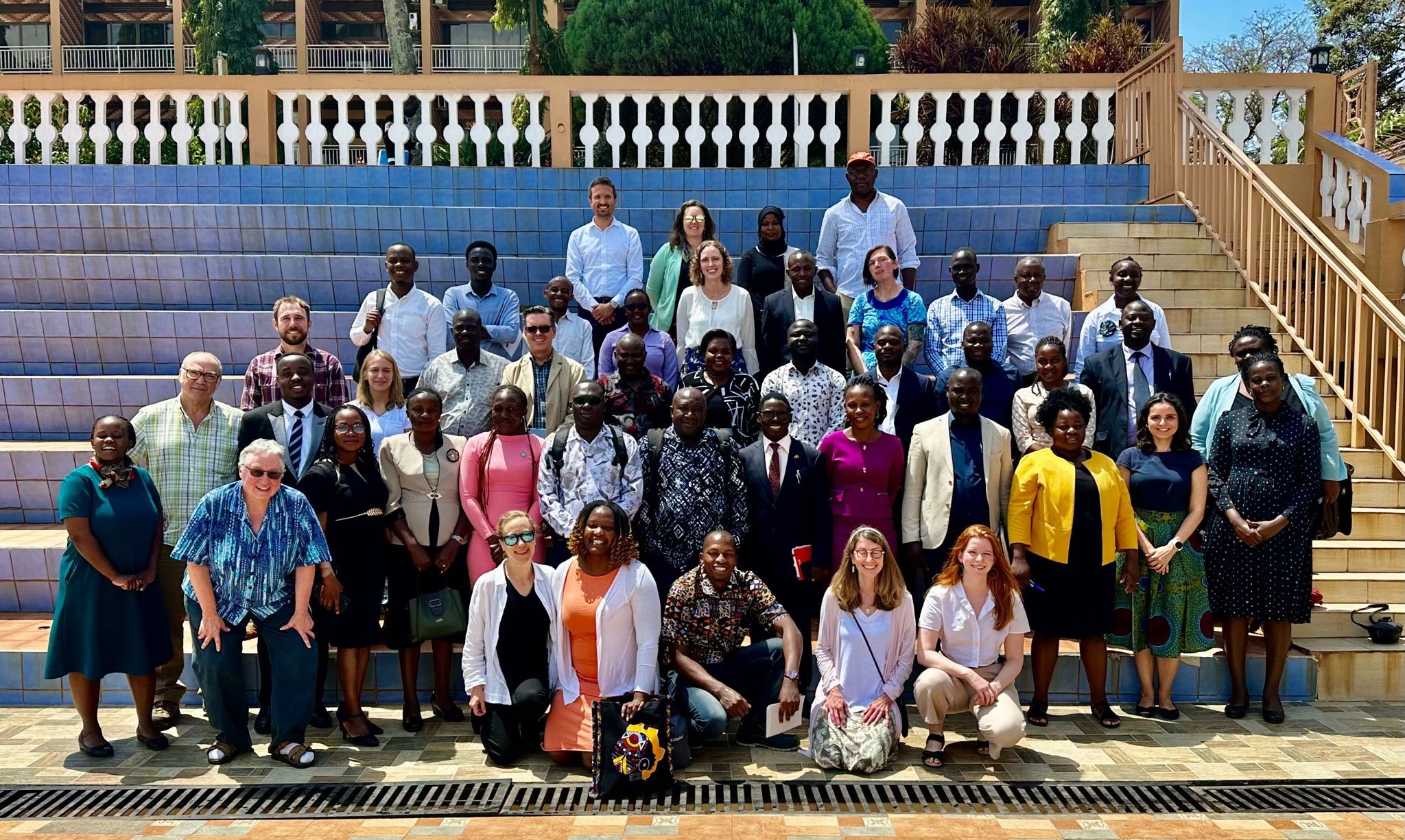
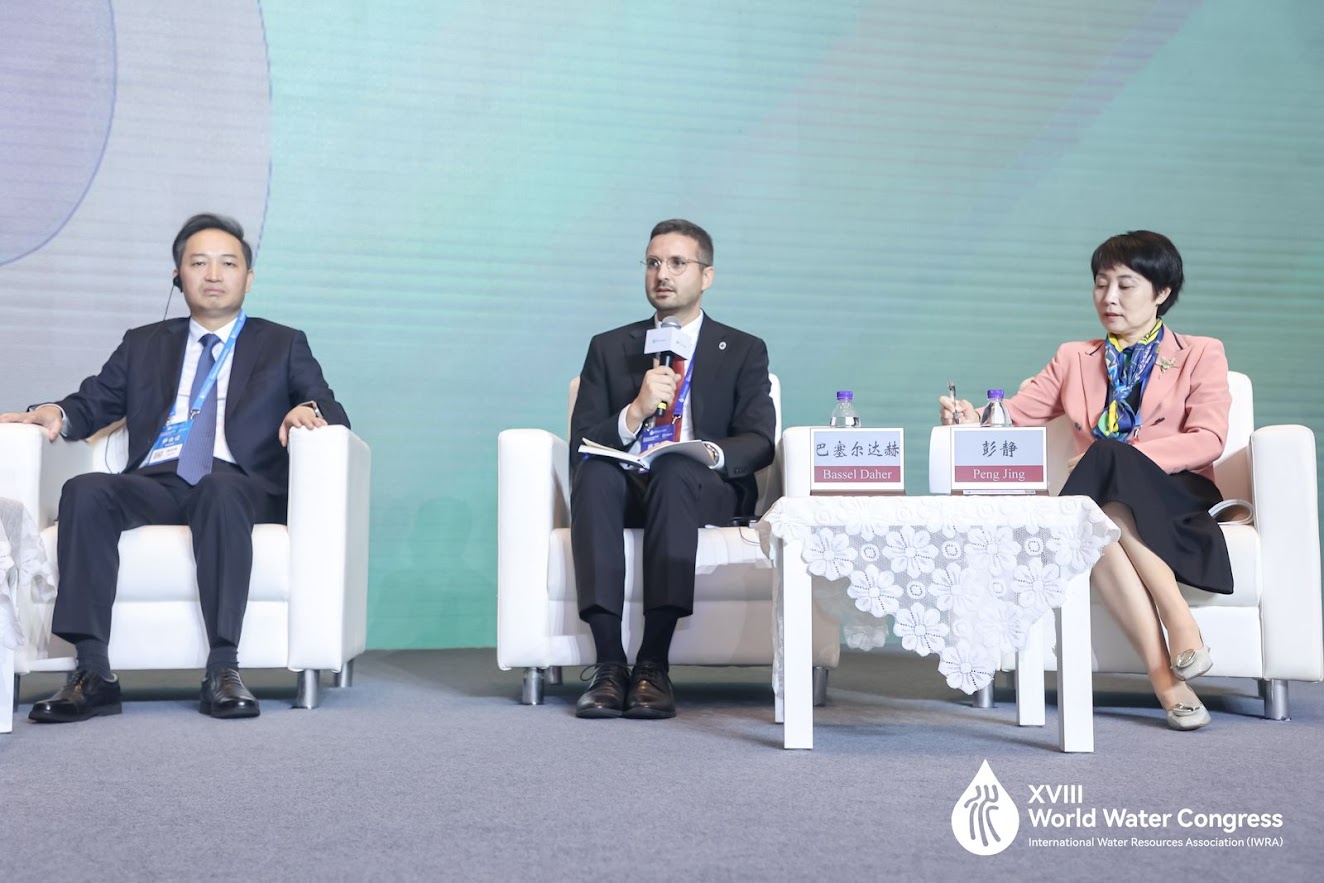
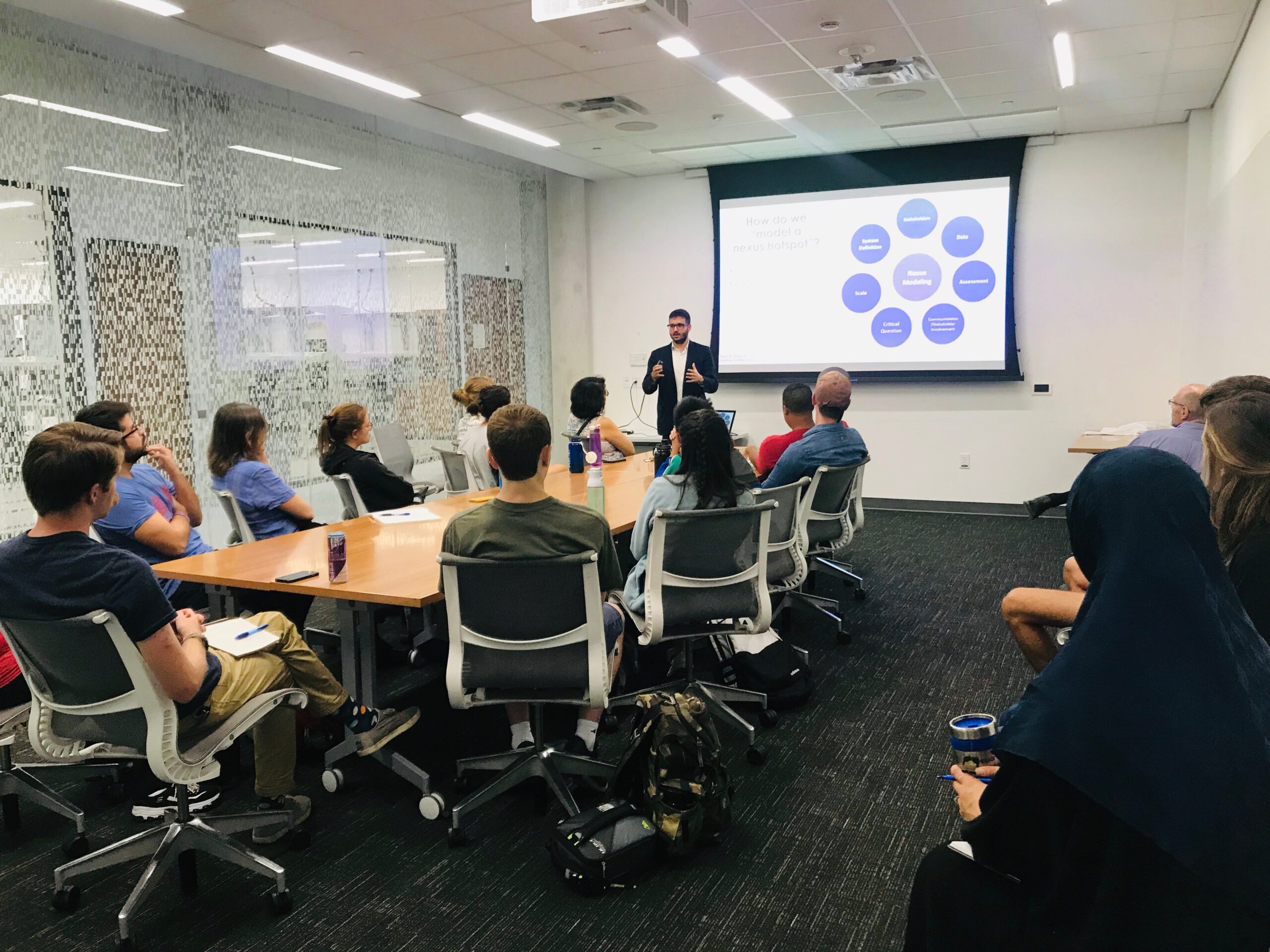
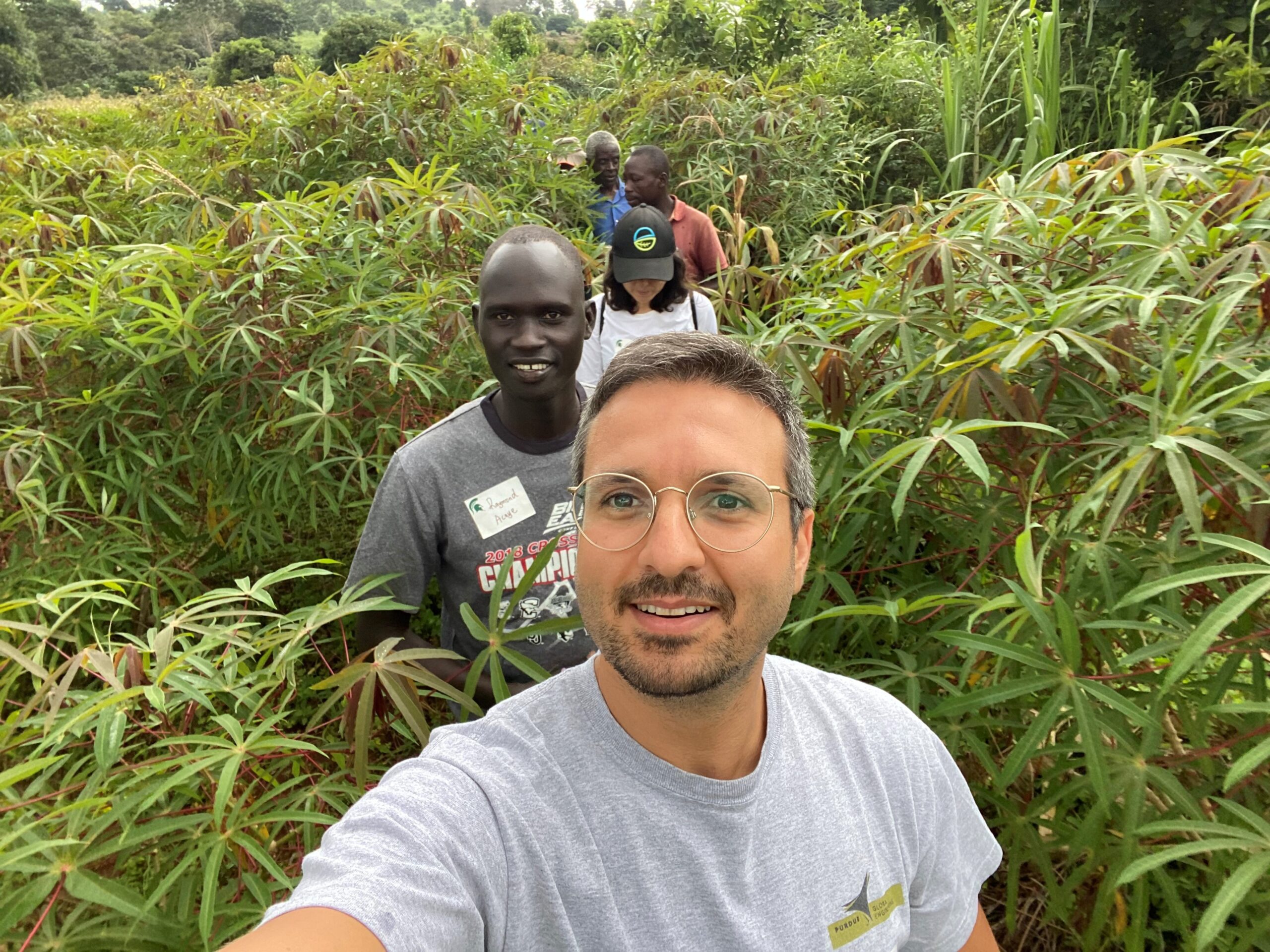
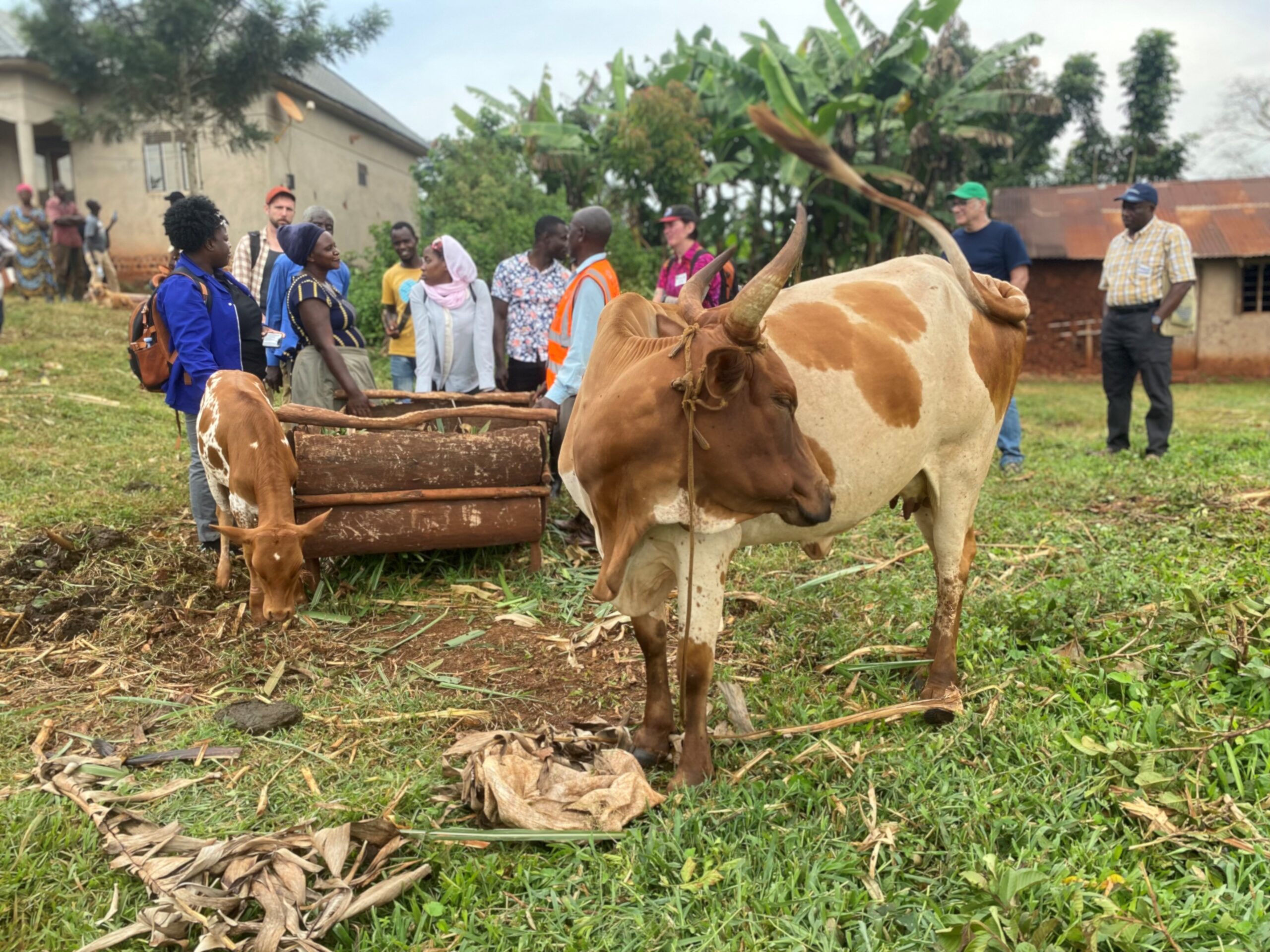
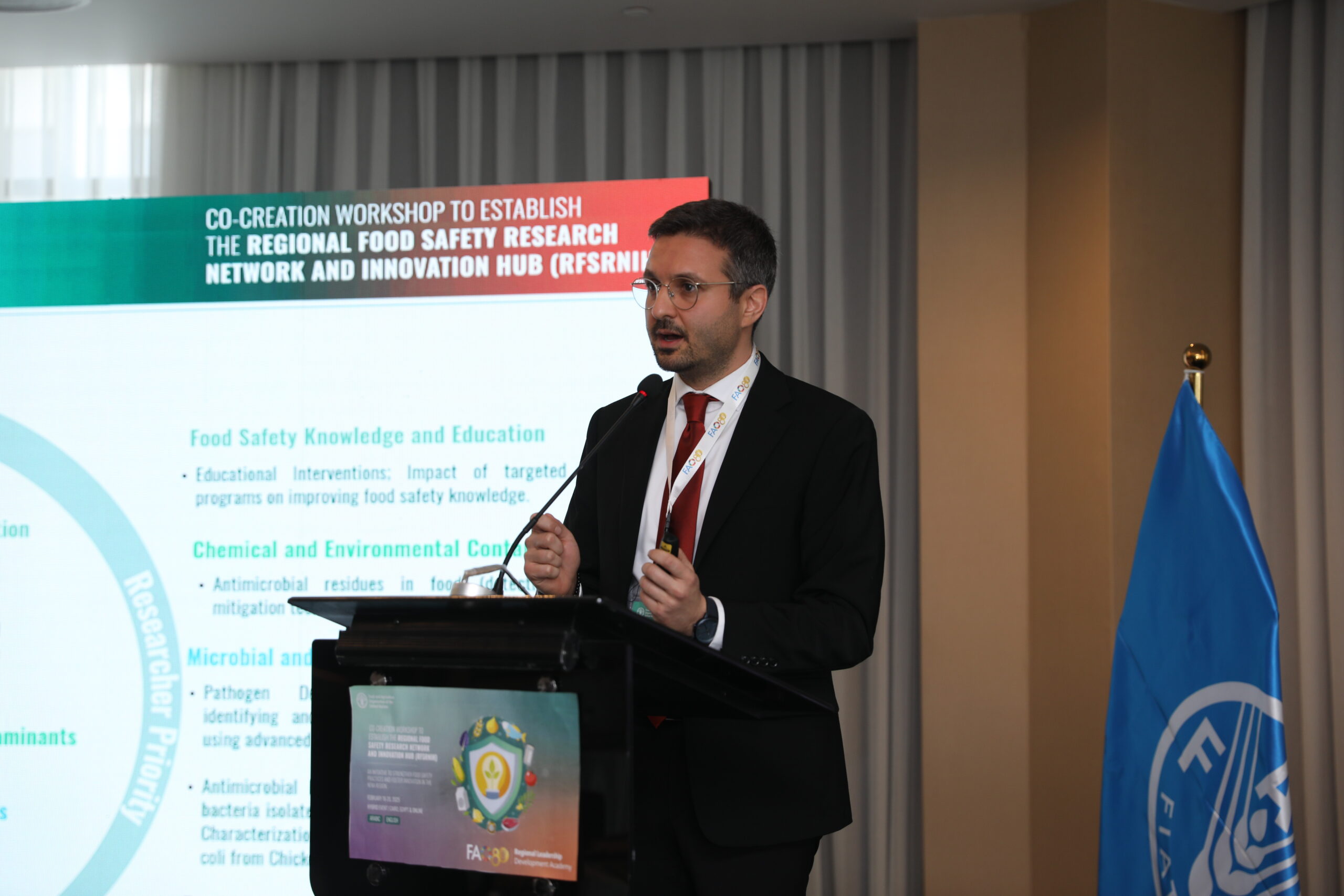
Those lessons have taken me across disciplines and borders over the past 15 years. I trained as a civil engineer at the American University of Beirut, studied agricultural systems at Purdue University, and earned my Ph.D. in water management at Texas A&M University. Along the way, I moved from designing infrastructure to building the analytical tools and stakeholder processes that help communities, governments, and organizations navigate the trade-offs across interconnected systems. At the core of my work is a systems approach that cuts across research, capacity building, stakeholder engagement, network building, innovation programming, and development work, on topics including water-energy-food nexus analytics and governance, food system transformation, energy transition, disaster risk reduction, and migration and displacement. It spans case studies across the United States, the Middle East, South Asia, North Africa, and the Americas, captured in 90+ publications and shaped by consulting and advisory work with the FAO, UNESCWA, UNDRR, GIZ, IWMI, among others.
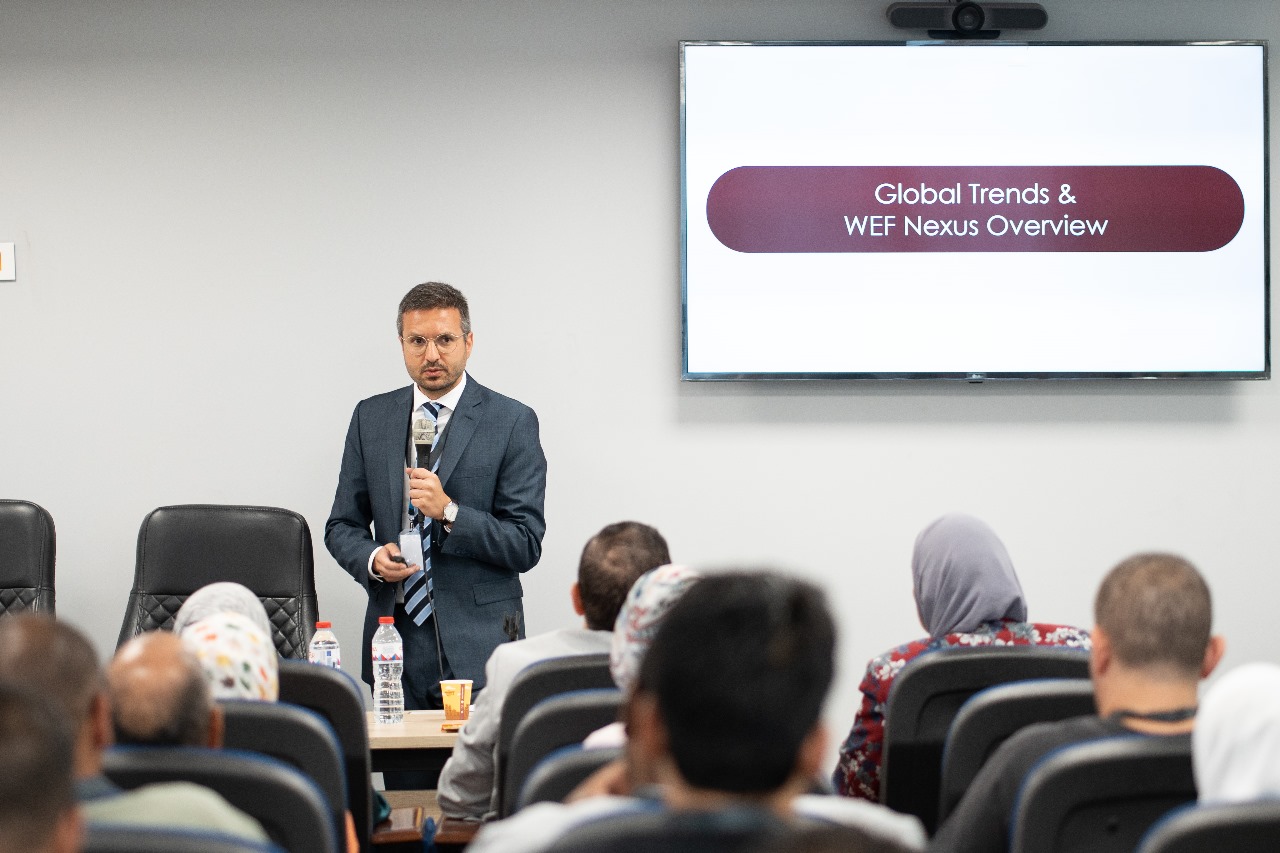
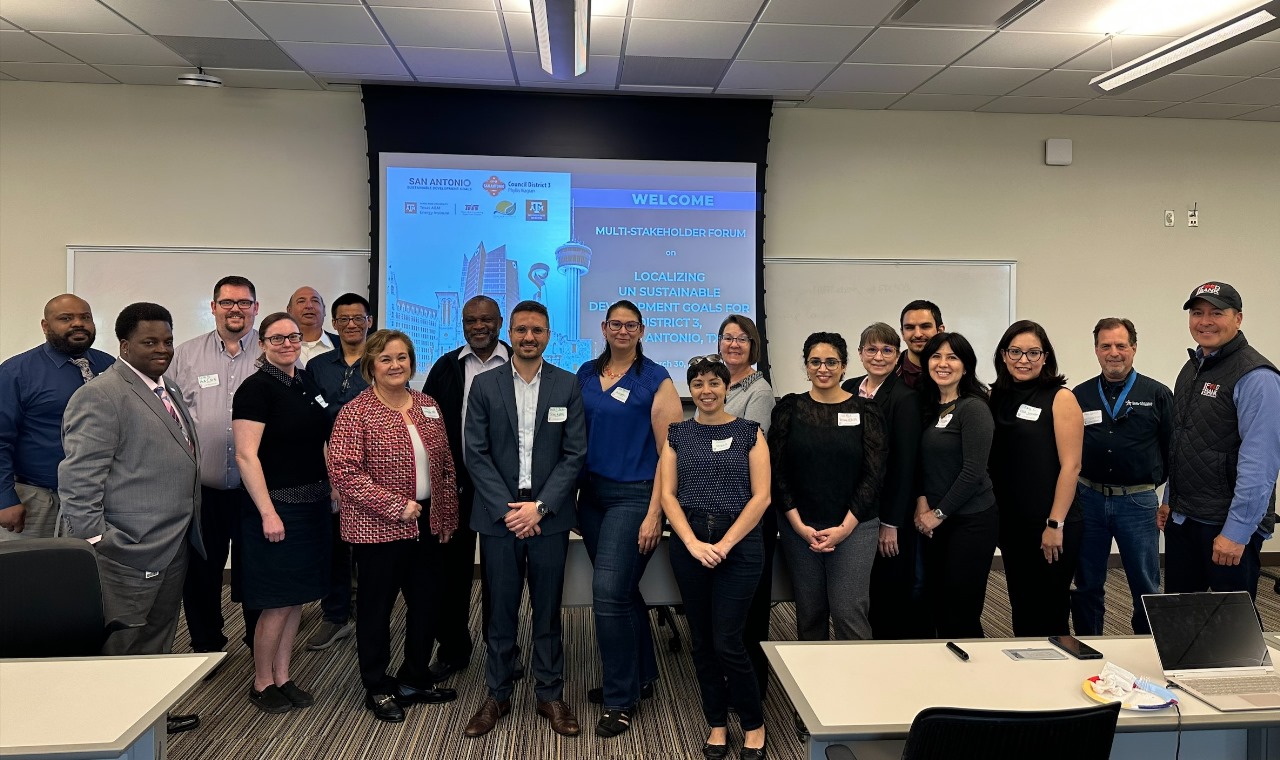
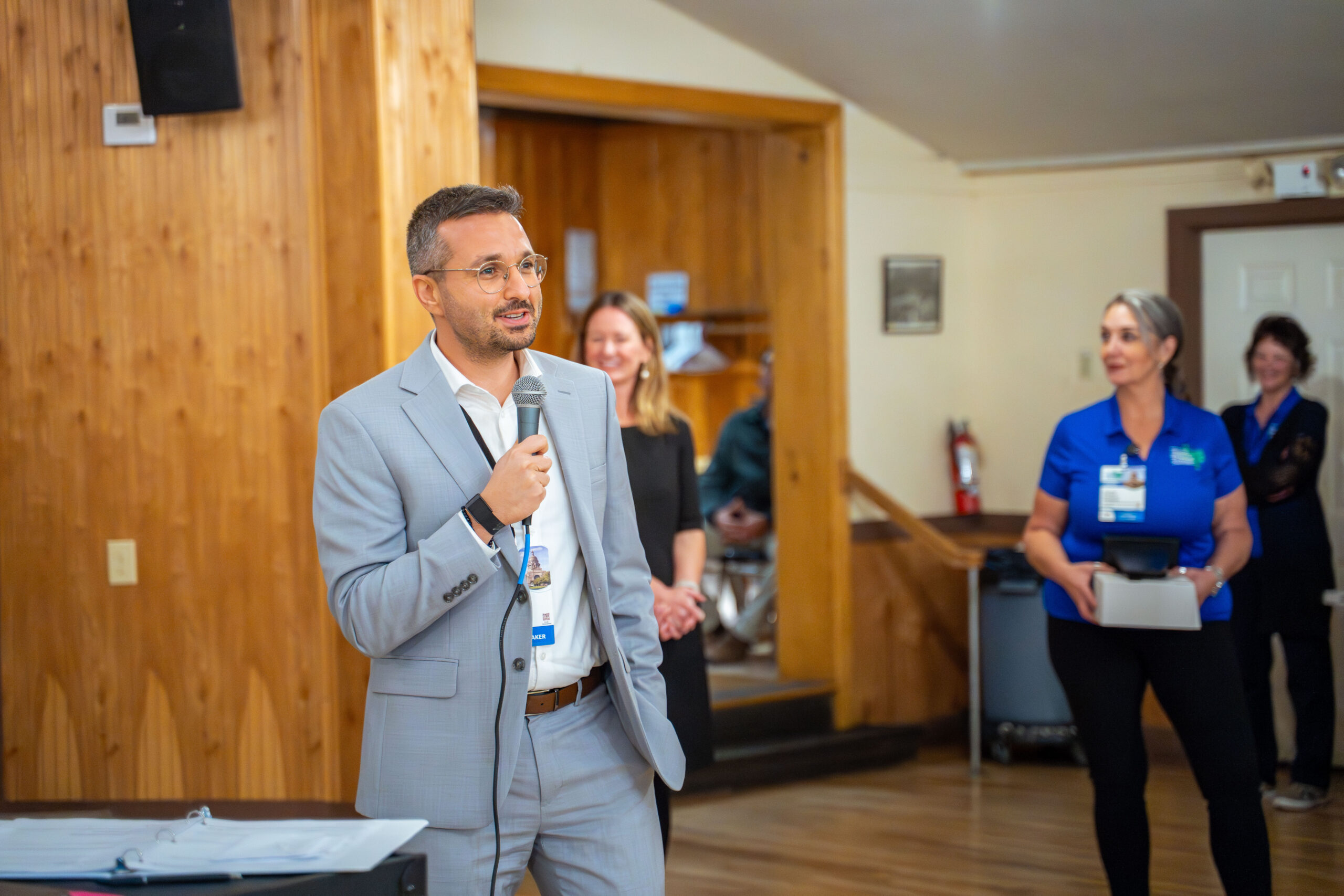
At the Texas A&M Energy Institute, where I serve as Assistant Director for Sustainable Development, I lead convergence research that sits at the intersection of these challenges. Across all of it, the question that drives me remains the same: are we building the conditions for the right people to come together, are they empowered with the evidence they need to make informed decisions, and are all the voices that should be part of the dialogue actually in the room?
Because what I have learned is that in a world of growing complexity, more data and better models alone will not get us there. What will is transforming that complexity into clarity that people can act on, combining technical rigor with empathy for the communities navigating these challenges, and ensuring that the knowledge we produce serves real decisions rather than sitting in reports. I call this simplexifying sustainability. It is my way of contributing to what I believe is the defining challenge of our time: catalyzing collective action toward a world that is more sustainable, resilient, equitable, and resource secure for all.